
Packaging 101: everything you need to know before sourcing folding cartons
A comprehensive guide on paperboard selection, folding carton styles, and key supply chain factors to optimize your custom packaging order.
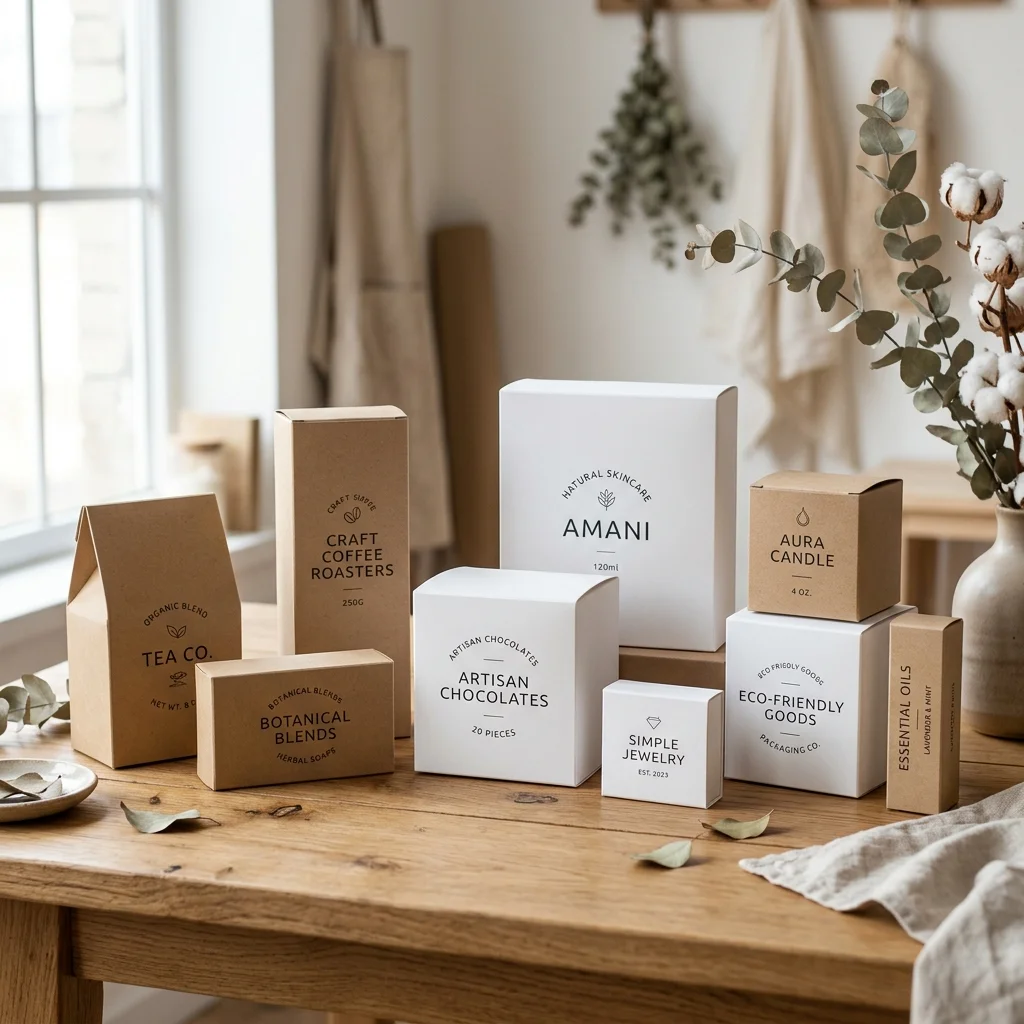
Whether you're launching a new product, redesigning existing packaging, or searching for a new packaging supplier, selecting the right folding carton is about much more than choosing a box. Packaging influences product protection, manufacturing efficiency, shipping costs, retail presentation, sustainability, and ultimately the customer experience.
For purchasing managers, supply chain professionals, entrepreneurs, packaging designers, and business owners, understanding the fundamentals of folding carton packaging can make the sourcing process significantly easier.
At Premium Paper Box, we've been helping companies navigate these decisions since 2002. Over more than two decades, we've partnered with businesses ranging from startups introducing their first product to established manufacturers producing millions of cartons each year. Along the way, we've learned that successful packaging begins with understanding a customer's product, supply chain, and business objectives—not simply producing a box.
What Is a Folding Carton?
A folding carton is a paperboard package that is printed, die-cut, folded, and glued into its final shape. It arrives flat to maximize shipping and storage efficiency before being assembled during the packaging process. Folding cartons are used across food, beverage, pharmaceuticals, nutraceuticals, cosmetics, pet products, and retail merchandise.
Start With the Product, Not the Box
The first question isn't 'What type of box do I need?' It is: 'What am I packaging?'
Every packaging project begins by understanding the product itself. Important considerations include product dimensions, weight, fragility, moisture sensitivity, direct food contact requirements, regulatory demands, shipping conditions, and retail display needs.
A lightweight cosmetic product requires a different solution than a pharmaceutical bottle or a heavy nutritional supplement. Understanding the product allows your packaging manufacturer to recommend the most appropriate structure and paperboard grade.
Choosing the Right Paperboard Material
Several factors influence material selection, which is broadly divided into:
- Virgin Paperboard: Often selected for premium graphics, direct food contact applications, and high-strength requirements. It provides excellent print quality and a bright, clean appearance.
- Recycled Paperboard: Manufactured using recycled paper fibers. It supports circular economy initiatives and is widely used for retail goods, dry foods, and secondary packaging.
Understanding Folding Carton Styles
Folding cartons come in many structural designs to accommodate different weight and filling processes. Common styles include:
- Straight Tuck End: Classic cosmetic and pharmaceutical style where both top and bottom flaps tuck from front to back (or back to front) in parallel.
- Reverse Tuck End: Economical layout where the top and bottom flaps tuck in opposite directions, maximizing sheet layout during printing.
- Auto-Bottom (Crash Lock): The bottom flaps are pre-glued so the box pops open and locks into shape instantly, saving assembly time in manual packaging lines.
- Snap-Lock (1-2-3 Bottom): An economical bottom closure that requires manual folding but provides extra weight support compared to tuck cartons.
- Sleeves: A tube-like wrap open at both ends, perfect for ready-to-eat meals, soap bars, or wrapping around standard containers.
- Pillow Boxes: A unique curved carton shape that stands out on shelves, popular for gift cards, cosmetics, and small promotional items.
Finishing Options and Manufacturing Efficiency
Beyond printing, specialized finishes add immense retail value. These include matte or gloss aqueous coatings, soft-touch coatings for a velvety feel, spot UV to highlight brand elements, embossing, debossing, and custom window patching.
However, good packaging doesn't just look attractive—it works efficiently throughout your production. When evaluating a design, always ask: How quickly can it be assembled? Does it work with automated filling equipment? Palletizing and transit safety should also be factored in early.
Providing complete specifications—dimensions, expected weight, target quantities, and finishing needs—allows your supplier to optimize the structure for both budget and performance.
At Premium Paper Box, we partner with U.S. brands to build custom paperboard folding carton solutions that work as hard as their products. Contact our specialists today to spec your next box project.
Get a Quote for Your Custom Boxes
Share your dimensions and target order quantities with us. A dedicated U.S. packaging specialist will reach out with pricing and material recommendations within one business day.
